
Resonance: A Plague Tale Legacy Review
“Unravel the minotaur’s secrets.” Written by: Hunter (@ReaperHunter23)
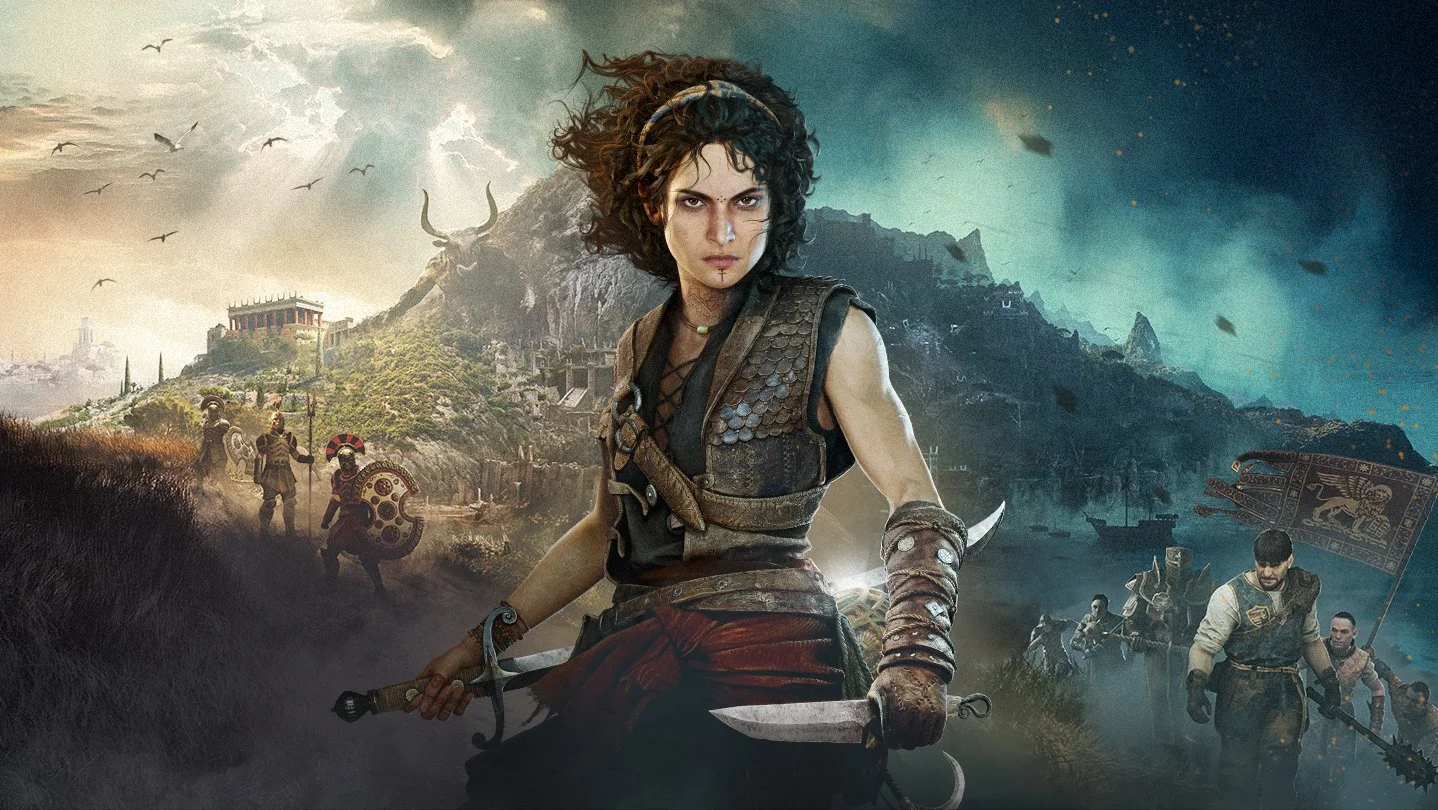
Resonance: A Plague Tale Legacy is a game that I don’t think I felt the excitement for until I had it in my hands. I’ve been impressed by the Plague Tale games. I thought that Plague Tale: Innocence was a very solidly done narrative heavy stealth game. And I thought that Requiem was able to improve upon the foundation and up the ante of the story into something that was genuinely great. So when Resonance was announced as a spin off starring Sophia, the charismatic pirate from Requiem, I was certainly intrigued. I knew I would be playing it, I knew I would probably enjoy it. I guess I just didn’t realize to what extent I would be enjoying it. Let’s take a look.
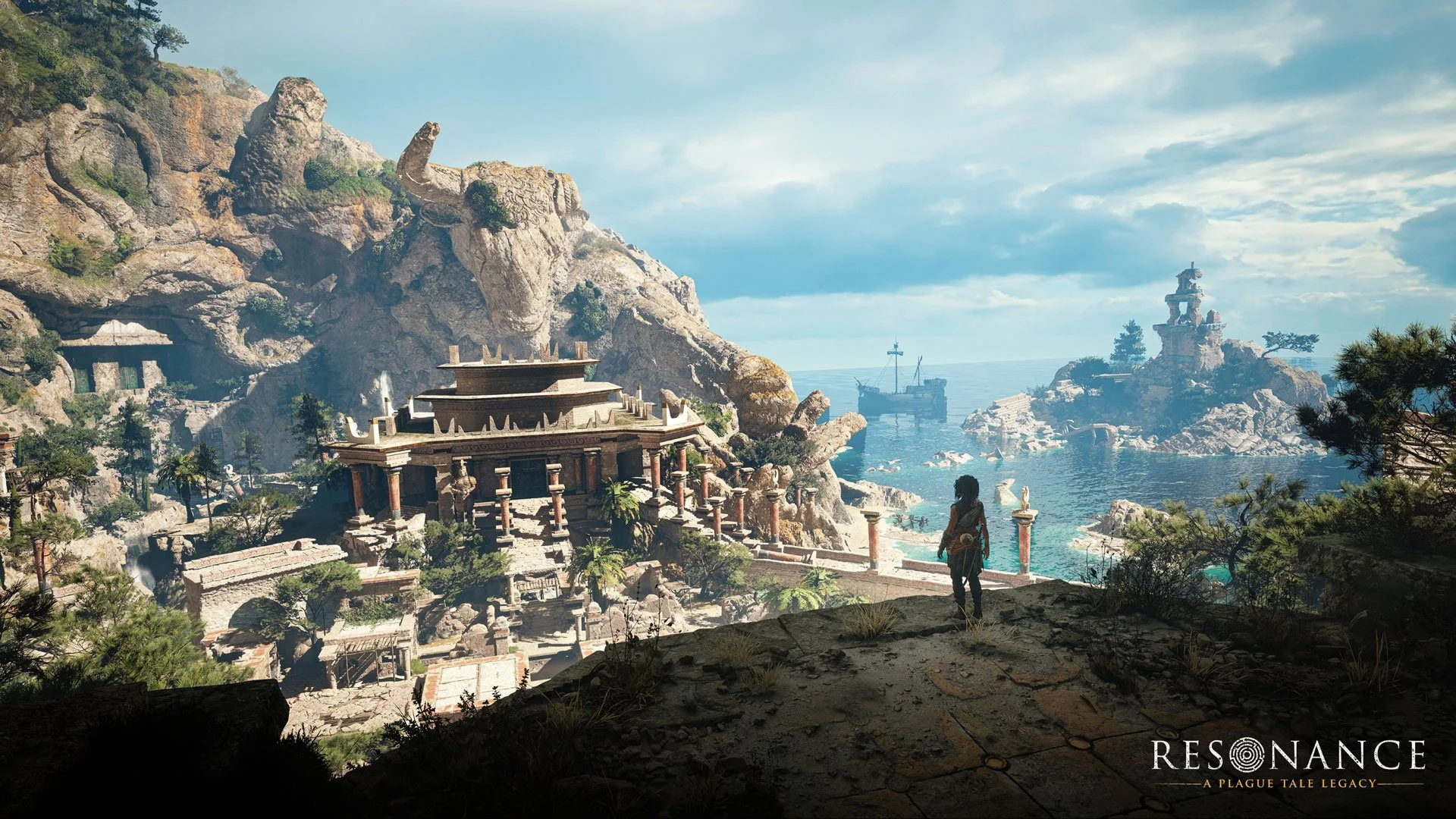
Image Credit: Asobo Studio, Focus Entertainment
As mentioned before, Resonance: A Plague Tale Legacy puts you in the shoes of Sophia trying to unravel the mysteries of Minotaur Island. At a young age, Sophia was the subject of experiments that left her with cursed blood and recurring nightmares. Her father set sail to the island that she was seeing in her visions and never made it back home. Years later, the authorities find and torch the pirate hideout and Sophia and her friend Leni escape the destruction and sail to Minotaur Island.
I enjoyed the story of Resonance. It had an effective set up for a classic treasure hunting adventure while still being grounded in the dramatic brutality that the Plague Tale games are known for. Sophia is a great protagonist with multi-faceted motivations. She needs to figure out what the deal with the island is because the cursed blood is spreading and will kill her if she doesn’t. She also wants to know how the island could have possibly killed her father. The additional cast all provide their own level of intrigue to the proceedings. Leni is Sophia’s friend that came along to help and support Sophia but pretty quickly realizes that she is out of her depth. I really enjoyed her rapport with Sophia. She was a really good anchoring point for Sophia when she started to get overtaken by the visions of the past. Faro is the second in command that took over leadership of the Plunderers after Sophia’s father died. His obsession with the island made him paranoid and a poor leader. His presence makes for a more personal opposition than the Venice Army that is also present at the island.
After spending some time on the island, Sophia’s visions become much stronger and we start experiencing the events of the island’s ancient history. A secondary story of Theseus and his battle through the Trials of Minos begins. The use of this parallel story was really effective by the end. It brought the theme of the story into focus. Sophia went chasing after the path that led her father to his demise. A path that he chose in an effort to secure his daughter’s safety. The story of the Minoan Games details King Minos and his cruelty towards his family.
It will always impress me when a story can effectively deliver a twist that I was able to predict well in advance. Early on in the game you hear one of the Venetian soldiers mention that a member of the crew sold the rest of the plunderers out. The turncoat turned out to be the first person I had guessed. But the game introduced just enough elements of doubt to keep it interesting. And the delivery of the moment itself was effective enough that it didn’t matter that it was relatively obvious. There’s a second and even more potent example of this in the Theseus story thread but that one is better to see for yourself.
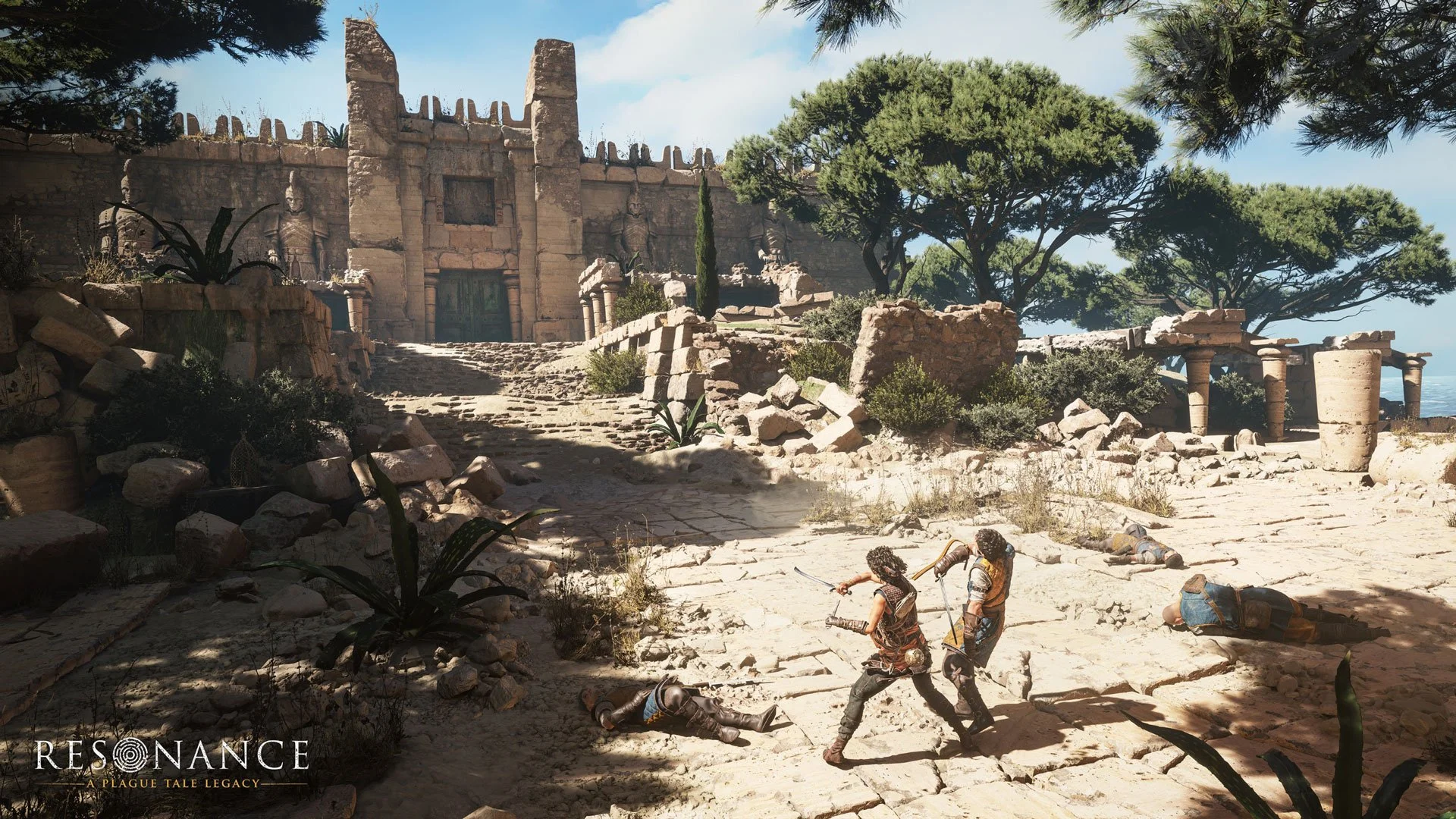
Image Credit: Asobo Studio, Focus Entertainment
Resonance is a departure from the two main Plague Tale games when it comes to gameplay. Rather than being a tense stealth game it leans more into an action adventure style. Sophia comes equipped with a dagger and a sword, a dodge and parry, as well as a kick to break the guard of certain enemies. Enemies can be staggered for an execution strike. One element of the combat I really enjoyed was the give and take with the life bar. Sophia’s health meter only has three segments. She can take three hits before she dies. The trade off is that you restore a segment every time you kill someone. It introduces an element of awareness to your situation. If you have to fight a big brute, maybe leave some of the easier guys floating around in case you take a hit.
I enjoyed the way that parrying felt in this game. It functioned more like suitably quick deflections rather than the dramatic block and counter attack that is present in so many other games. There was a point early on where I deflected incoming attacks from like four guys and it felt really good when none of their attacks got through. Most combat encounters are littered with throwables in order to deal with the ranged enemies or just easily stagger someone nearby for a quick kill. The skills that can be added to Sophia’s repertoire as you progress through the game were handy as well. These skills include: double stun damage when parrying, a kick with extra knockback, or a dodge that covers more distance.
Outside of combat, most of your time will be spent exploring or solving puzzles. Resonance is a very linear progressing game. But there are plenty of side alcoves and wide areas to poke your head around. Exploring tends to be beneficial because it will lead to stumbling upon a number of different collectibles. Sometimes it’ll be an upgrade point, sometimes it’ll be an accessory that buffs Sophia in some manner, sometimes it will be a new sword.
The puzzle variety in this game is pretty solid. The game does a great job at introducing an idea, bringing it to its logical extreme and then reintroducing it to be used in conjunction with another idea later on. Most of the puzzles are light based. Sometimes it involves using light to reveal hidden glyphs to provide the correct answer. Other times it involves using reflecting mirrors to shine the light on a specific point. And the longer the game goes on the more complex these puzzles become.
Even the general progression of the game is a puzzle in a sense. Sophia carries around this book that doubles as both a journal of her visions as well as Faro’s notes from the first voyage to the island with her father. So knowing how to move forward usually involves deciphering the drawings in the book.
The game also contains its own take on the tense stealth sections akin to what you'd see in the prior entries. It is a slower burn to get there but I think it pays off wonderfully once it does. I really liked how this game was able to take all of these familiar gameplay elements but arrange them in a way that made the overall feel of the game unique.
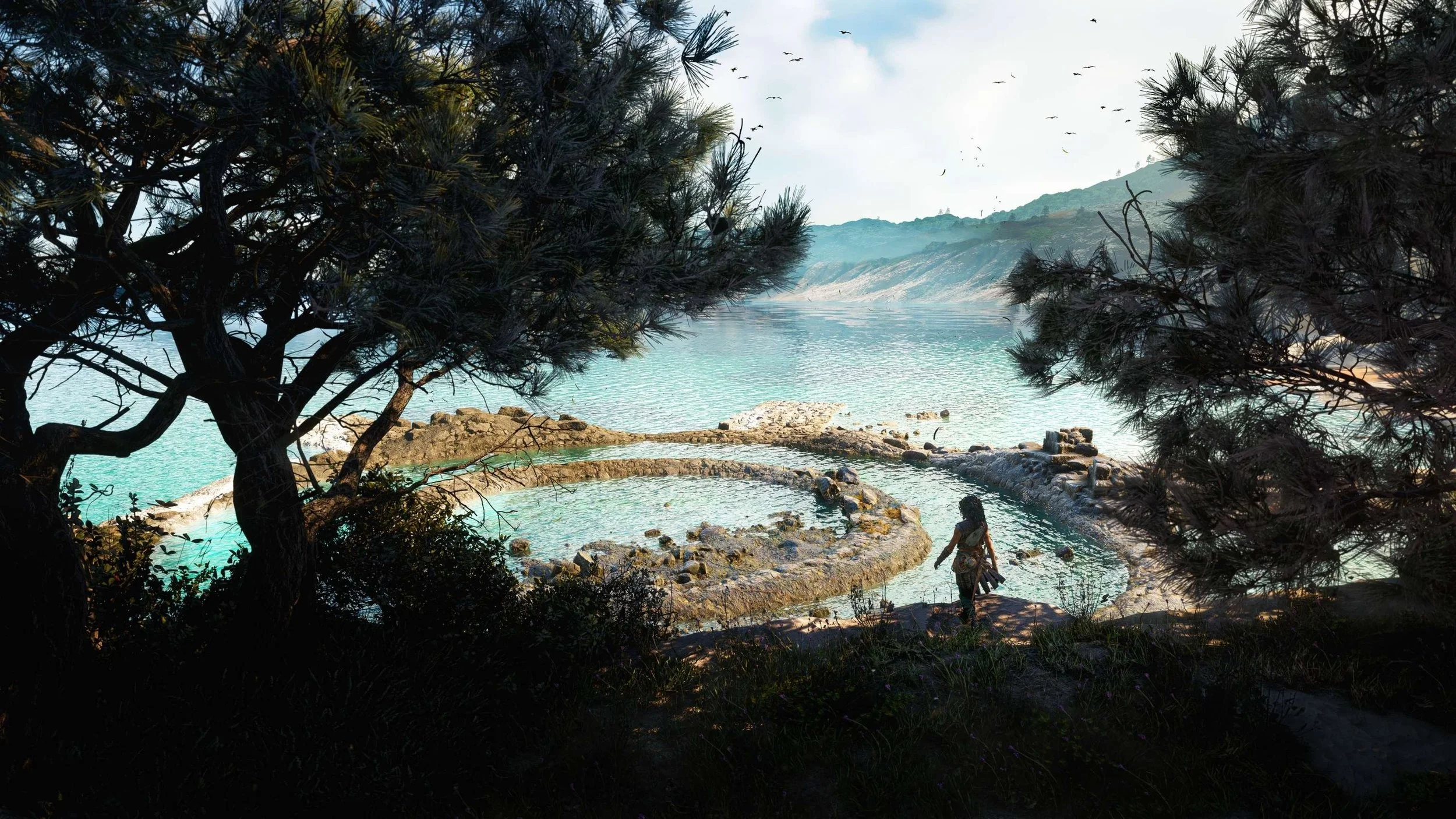
Image Credit: Asobo Studio, Focus Entertainment
Plague Tale: Resonance is a stunner in the visual department. There was a moment early in the game when the pirate hideout was being burned down that really grabbed my attention. All of the fire under the moonlight as the world around you burned was a feast for the eyes. Minotaur Island is also a beautiful setting. The greenery is lush, the water is crystal clear, and all of the ruins carry a sense of history. It all works together to create a stellar adventurous atmosphere. The parts of the game that drag you further underground provide a nice contrast to the vibrant tropical island. The dark caves filled with husks of bodies that crumble when light touches them is a great way of presenting the mystery and threat present on the island.
One thing I really appreciated about the island as a setting was how much continuity there was to the locations. There was one chapter that revolved around slowly making your way down a pit to partake in one of the trials. Midway through you can look back and see where you had started and also peek down to see what might be awaiting you. It made the setting feel more tangible in a way that I really enjoyed.
The music and voice performances were terrific. The instrumentation present in the score did a wonderful job at bringing the ghosts of ancient Greece to life when exploring the ruins as Sophia. It was equally as cool to hear the music go hog wild with all of the greek influence when playing the Theseus sections.
There were a few standout voice performances in this game. Anna Demetriou returns as Sophia and does a wonderful job bringing her to life. She was already fairly charismatic in Requiem in spite of the fact that Sophia was a flatter character that time. Now she brings the full range of Sohpia’s story to the table. I thought she was especially good at selling the scenes where Sophia takes a break to just scream at what’s been happening to her before snapping back to business. Ben Homewood also did a great job as Faro. He really captured the idea that he was keenly aware of all of his mistakes. But also consumed by the idea that getting to the truth of the island could make everything right.
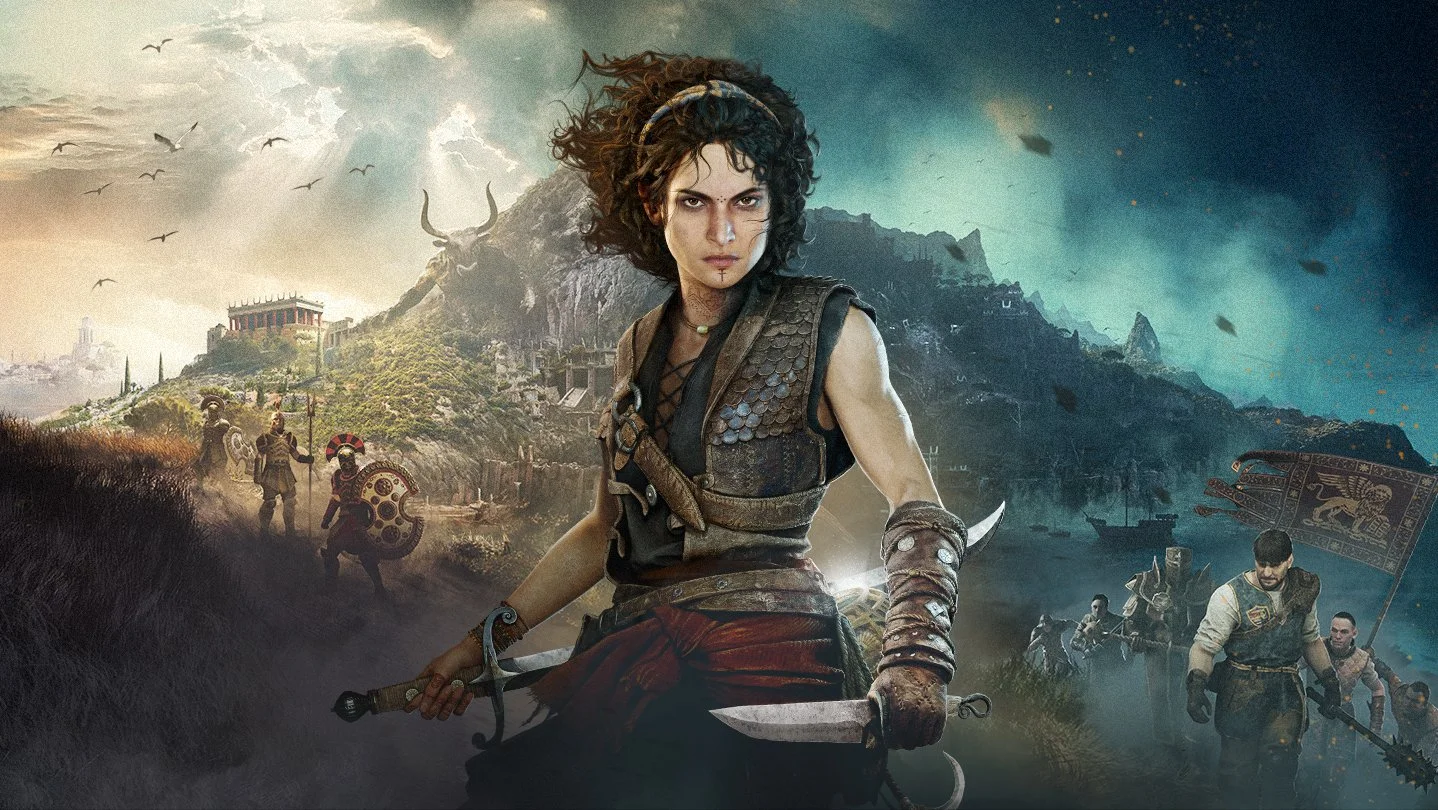
Image Credit: Asobo Studio, Focus Entertainment
Summary
I loved my time playing Resonance: A Plague Tale Legacy. I strongly recommend it if you enjoy action adventure games or if you are a fan of the prior two Plague Tale games. It takes familiar elements from the genre and arranges them into a gameplay experience that is still its own. It achieves all of this inside of a visually stunning setting and tells a gripping adventure story that enriches the world of the series and expands what the Plague Tale games can be going forward. And it does all of that with a splash of Greek mythology as an additional bonus for nerds such as myself.